A Straightforward Guide to Finding a Bookkeeper in Needham Market
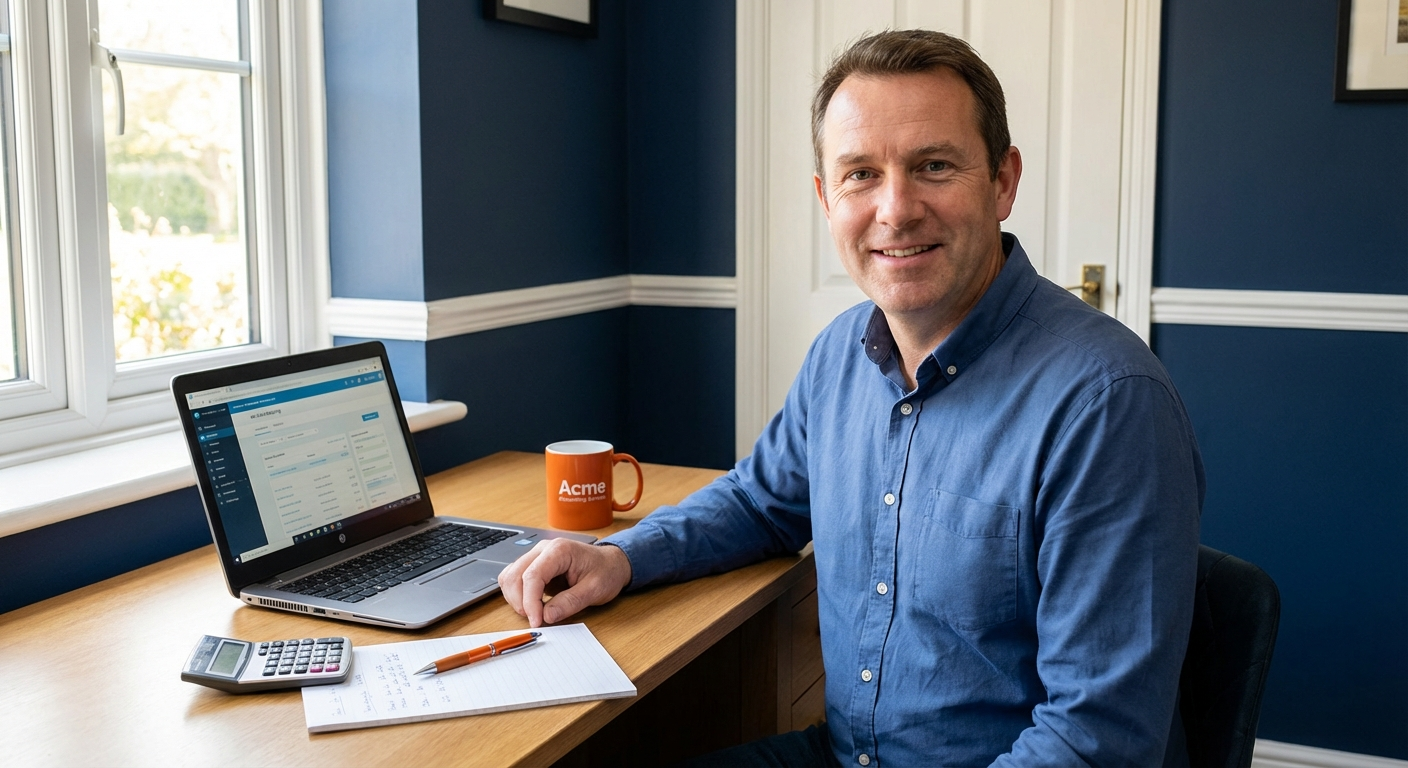
If you run a small business in Needham Market and your records are not where they should be, you are not alone. This guide walks you through what to look for in a local bookkeeper, what it should cost, and the practical steps to get your books back on track.
Why Bookkeeping Pressure on Small Businesses Has Increased
HMRC is changing how it collects tax information from sole traders and small business owners. Making Tax Digital for Income Tax becomes mandatory from 6 April 2026 for sole traders and landlords with annual income over £50,000. That means using compatible software, keeping digital records, and sending quarterly updates to HMRC rather than a single annual return. If you are approaching that threshold and still managing your finances on spreadsheets or paper, the window to get organised is closing.
Needham Market has a healthy mix of small businesses, tradespeople, and sole traders who often handle their own admin until it becomes unworkable. The demand for local, accessible bookkeeping support in the area is real and growing. Finding the right person before a deadline is pressing is a much calmer process than finding one when you are already behind.
Making Tax Digital for Income Tax applies to sole traders and landlords earning over £50,000 from 6 April 2026. You will need compatible software such as Xero and a process for quarterly submissions. If you are not set up yet, the time to act is now.
The Bookkeeping Habits That Create Problems Over Time
Most of the clients I speak to are not in a mess because they are careless. They are in a mess because they are busy running a business and bookkeeping kept slipping down the list. There are four patterns I see repeatedly in small businesses across Suffolk, and each one has a straightforward fix once you know what to look for.
Mixing personal and business finances
Running personal and business transactions through the same account is one of the most common problems for small business owners, as Fuller Figures Bookkeeping notes for businesses across Norfolk and Suffolk. It creates confusion when it comes to calculating your tax liability and can raise questions with HMRC about which expenses are genuinely business-related. A separate business account with clear records from day one avoids hours of untangling later.
Leaving everything until the deadline
Rushed bookkeeping produces errors. When you are reconciling six months of transactions in one weekend before a VAT return is due, the chances of misposting a figure or missing a receipt increase significantly. The result is inaccurate accounts that may understate your income, overstate your expenses, or both. Quarterly bookkeeping, done consistently, removes that pressure entirely.
“Most clients come to me after a stressful year-end or a near-miss on a VAT deadline. Once we are up and running, the comment I hear most often is that they wish they had done it sooner. The monthly cost is almost always less than the time they were spending on it themselves.”
A Practical Framework for Getting Your Books in Order
If you have decided you want a bookkeeper, the process of getting started does not need to be complicated. Here is how I approach it with new clients, from the first conversation to having everything running properly.
- Initial call: We talk through your current situation, what software you are using (if any), when your last VAT return or self-assessment was filed, and what your monthly transaction volume looks like. There is no judgement about the state of your records. I have seen it all, and it is always fixable.
- Setup and catch-up: If your records are behind, I work through the backlog and get everything reconciled before we move to a regular monthly or quarterly rhythm. For new Xero users, I handle the setup and make sure it is configured correctly for your business type, whether that is sole trader, limited company, or CIS contractor.
- Ongoing management: Each month or quarter I reconcile your accounts, prepare and submit your VAT returns, process payroll if needed, and keep your records MTD-compliant. You deal directly with me throughout. There is no handoff to a junior member of staff or an automated portal.
The goal is that once we are set up, your bookkeeping runs in the background without you having to think about it. HMRC deadlines are met, your records are accurate, and you have a clear picture of your numbers whenever you need it.
What Bookkeeping Costs and What You Get in Return
One of the questions I hear most often is whether a bookkeeper is worth the monthly cost. The honest answer depends on what your time is worth and what the consequences of an error or a missed deadline would be. Most small business clients I work with invest between £75 and £250 per month depending on transaction volume and services required. My pricing starts from £25 per month for very straightforward cases, and there are no hidden fees or annual tie-ins.
| Option | Pros | Cons |
|---|---|---|
| DIY Bookkeeping | No monthly fee. Full visibility of your own records. | Time-consuming. High risk of errors, missed submissions, and HMRC penalties. Software still costs money. |
| Local Dedicated Bookkeeper | Accurate records kept consistently. VAT, payroll, and MTD submissions handled. Direct access to one person who knows your business. | Monthly fee required. Finding the right person takes time upfront. |
What to Do Today if Your Books Are Behind
If you are reading this because something has prompted you to act, such as an approaching VAT deadline, a messy year-end, or an accountant flagging concerns, here is a practical starting point. You do not need to have everything sorted before you make contact with a bookkeeper. That is what we are here for.
- Gather what you have: bank statements, any invoices you have issued, receipts for business expenses, and details of any software you are currently using. Even if the records are incomplete, having them in one place speeds things up.
- Check your VAT and payroll deadlines: log in to your HMRC online account and note the next submission dates. If any are within four weeks, flag this when you speak to a bookkeeper so they can prioritise accordingly.
Ready to get your books in order?
I offer a free call to any Needham Market business owner who wants to understand their options. Fixed monthly pricing from £25, no tie-in contracts, and you will always deal directly with me.
Reliable, accurate, and local. Acme Accounting Services provides a full suite of accounting services to small businesses in Ipswich, Suffolk and beyond.
💛 5% of revenue donated to St. Elizabeth’s Hospice, Ipswich.