Making Tax Digital for Sole Traders: What You Actually Need to Know
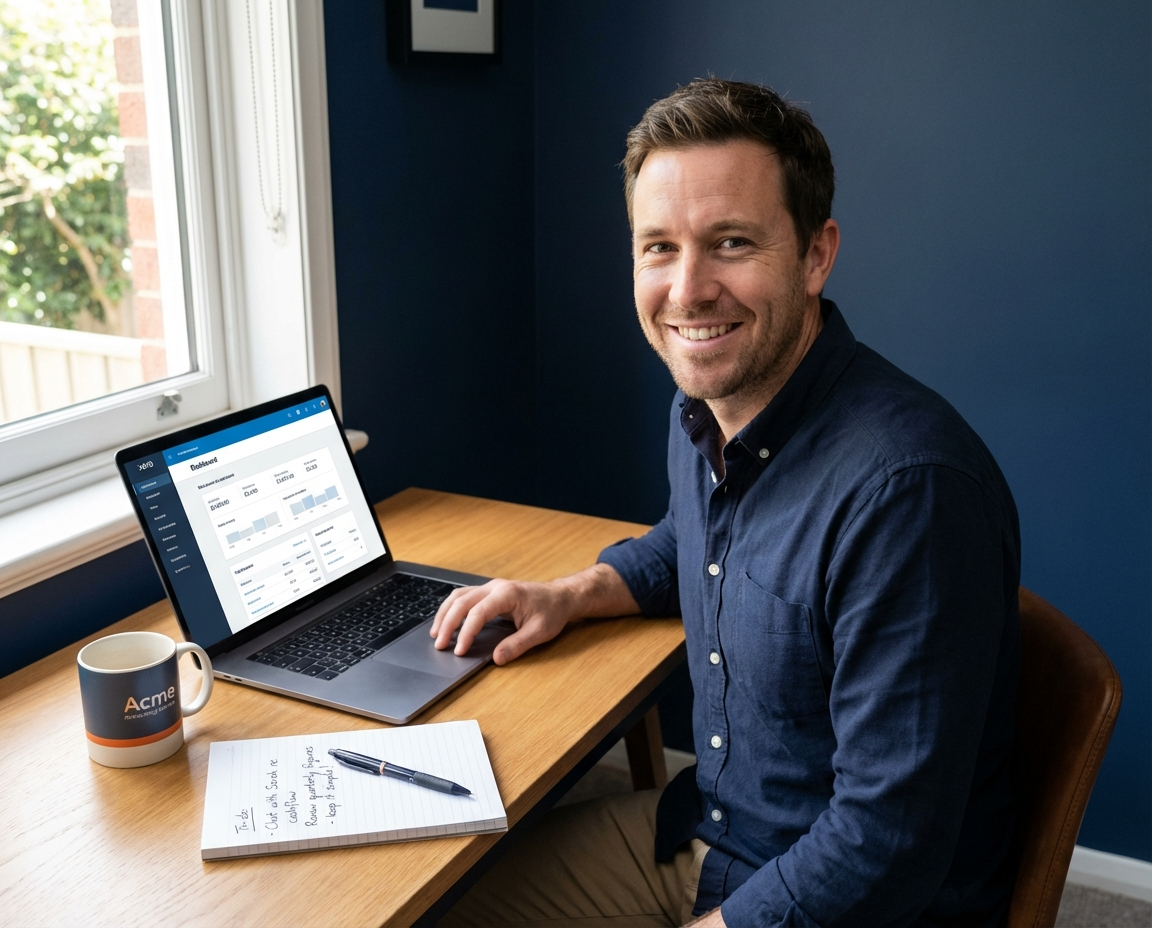
What is Making Tax Digital for sole traders, and do you actually need to worry about it? If you’ve heard the phrase somewhere and nodded along without really knowing what it means, you’re in good company — a lot of sole traders are in exactly the same position right now.
What Making Tax Digital Actually Means
Making Tax Digital for Income Tax, often called MTD for ITSA, is a change to how sole traders report their income to HMRC. Instead of filing one Self Assessment tax return a year, you’ll keep digital records and send four light quarterly updates to HMRC throughout the year, plus a final declaration at the end. That’s it. It’s not four extra tax bills — just four brief updates showing your income and expenses so far.
The idea behind it, according to HMRC, is to close a tax gap they estimate at around £5 billion from Self Assessment businesses alone. For you as a sole trader, it means your records need to be kept digitally using HMRC-recognised software from day one of the tax year you’re brought in.
HMRC has confirmed a 12-month grace period from April 2026. During this time, late quarterly updates won’t attract penalty points. After that, the standard penalty system kicks in — four points triggers a £200 fine. So you won’t be hit immediately, but it’s not a reason to ignore it.
Who Does MTD Apply To, and When?
The rollout is phased, so when it applies to you depends on your qualifying income. If your income from self-employment or property was over £50,000 in the 2024-25 tax year, you’re in scope from 6 April 2026. That’s now. Around 864,000 sole traders and landlords fall into this first group.
If your income was over £30,000, MTD applies to you from April 2027. Over £20,000 brings you in from April 2028, based on your 2026-27 figures. So even if you’re not affected yet, the direction of travel is clear — this is coming for most sole traders sooner or later.
What Do You Actually Need to Do?
You need three things. First, MTD-compatible software to keep your records digitally — something like Xero, which is what I use with my clients. Second, you need to use that software to log your income and expenses as you go, not just at year-end. Third, you submit those four quarterly updates to HMRC directly through the software, then confirm your final figures once the tax year ends.
The quarterly updates themselves aren’t complicated — they’re a summary of what came in and what went out. The bigger shift is the habit change: moving from a once-a-year scramble to keeping things tidy throughout the year. For a lot of sole traders I speak to, that part actually makes life easier once they’re set up. If you want to see exactly how I help with this, my Making Tax Digital service page covers what’s included and how it works in practice at https://acme-accounting.co.uk/services/making-tax-digital-for-sole-traders/.
What Happens If You Ignore It?
If you’re in scope and do nothing, you’ll be non-compliant with HMRC from the date MTD applies to you. After the 12-month grace period ends, missed quarterly updates will start accumulating penalty points. Four points means a £200 fine, and further penalties follow from there.
The practical risk beyond fines is that your records won’t be in the right format. If HMRC ever asks to look at your books, digitally-kept records through approved software give you a much cleaner answer than a spreadsheet or a shoebox of receipts. Getting compliant now means you’re not scrambling later.
If you’re not sure whether MTD applies to you yet, or you just want to talk through what getting set up would actually look like, give me a ring. I work with sole traders across Suffolk and I’ll give you a straight answer, no pressure. You can book a free call at https://acme-accounting.co.uk/book-a-call — it’s just a conversation.
Want to go deeper?
If this article has given you a clearer picture but you want more detail on the practical steps, I’ve put together a full compliance guide. Or if you’d rather just talk it through, you can book a free call with me directly.
Reliable, accurate, and local. Acme Accounting Services provides a full suite of accounting services to small businesses in Ipswich, Suffolk and beyond.
💛 5% of revenue donated to St. Elizabeth’s Hospice, Ipswich.