Do You Actually Need a Bookkeeper for Your Small Business?
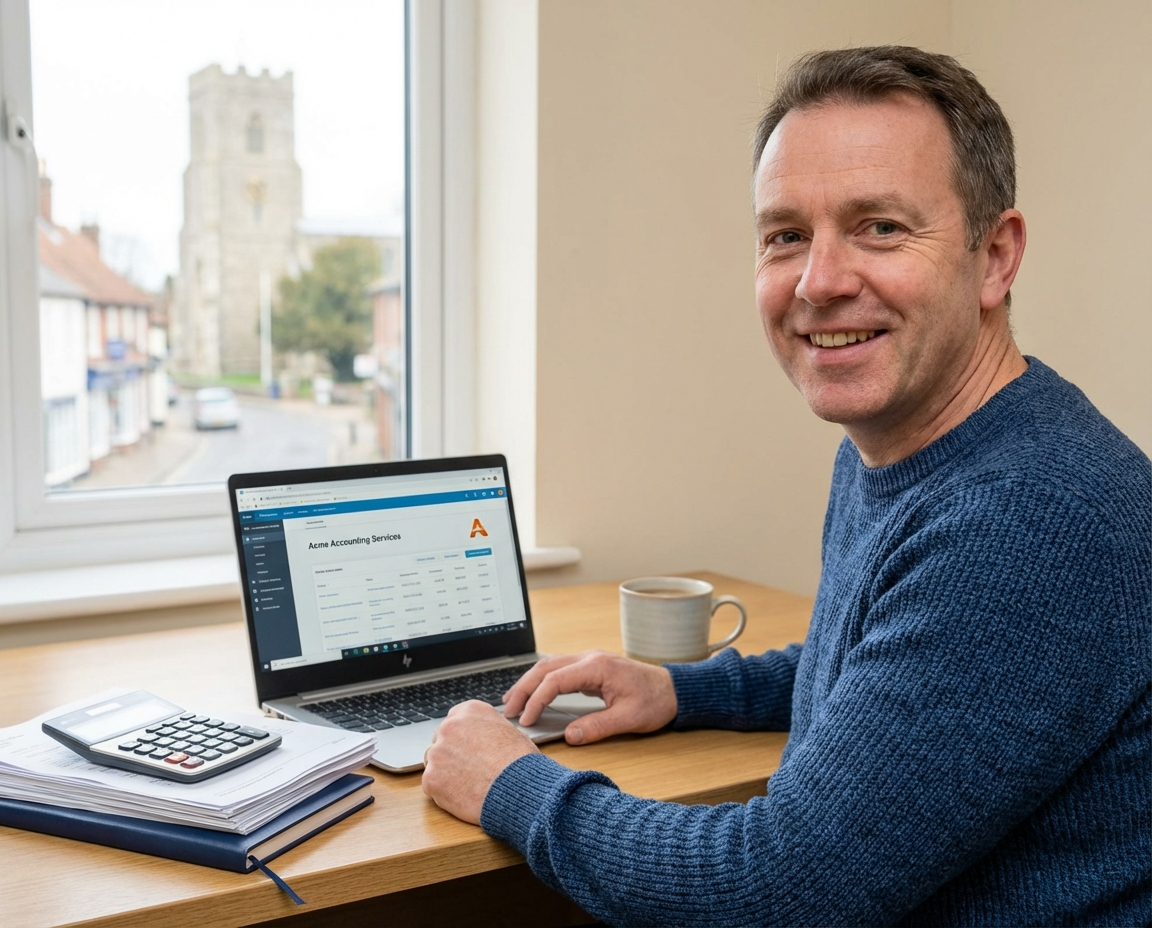
Do I need a bookkeeper for my small business? It’s one of the most common questions I hear, and the honest answer is: it depends — but for most small business owners, the answer is yes, and usually sooner than they think.
What Does a Bookkeeper Actually Do?
A bookkeeper keeps your financial records in order. That means recording every sale, every cost, every bank transaction — so you always know where your money is going. It’s not glamorous, but it’s the foundation everything else sits on.
On a practical level, I handle things like VAT returns, payroll, CIS returns for people in construction, self assessment tax returns and Xero setup. Think of it as me keeping the financial side of your business tidy and compliant, so you don’t have to.
A bookkeeper and an accountant do different things. A bookkeeper keeps your records current and handles regular submissions like VAT. An accountant typically steps in at year-end for statutory accounts and tax planning. Many small businesses need both, working together.
Signs You Probably Need a Bookkeeper
If you’re spending evenings or weekends trying to sort your bank statements, that’s a sign. If you’ve got a carrier bag of receipts and no real idea whether your business made money last month, that’s another. These aren’t signs you’re doing something wrong — they’re signs your business has grown past the point where DIY makes sense.
Other things I hear regularly: VAT deadlines creeping up with no time to prepare, HMRC letters sitting unopened because they feel too stressful, or a feeling that the numbers just don’t add up. If any of that sounds familiar, you’re not alone — and it’s completely fixable.
What Happens If You Don’t Have One?
Most of the time, nothing dramatic — at first. You muddle through, file things late, make educated guesses on your tax return. But the longer it goes on, the messier it gets. Late VAT returns attract automatic penalties from HMRC, and incorrect figures can mean you either overpay tax or end up with an unexpected bill.
There’s also the hidden cost of your own time. If you’re spending four hours a month on bookkeeping and you charge clients £50 an hour, that’s £200 of lost income every month. A bookkeeper often costs less than that — and does a better job.
What Does a Bookkeeper Cost?
It varies depending on how much work is involved, but it doesn’t have to be expensive. My fixed monthly pricing starts from £25 a month for simple sole traders, so you know exactly what you’re paying each month with no surprises. Fixed pricing matters because it means you can plan your costs without worrying about hourly bills creeping up.
The main thing to look for is someone you can actually talk to. Not a portal, not a ticketing system — a real person who picks up the phone and knows your business. That’s how I work: no team, no handoffs, just me dealing with every client directly.
If you’re on the fence about whether you need a bookkeeper, I’m happy to have a quick call and give you an honest answer — even if that answer is that you don’t need one yet. You can book a free call at acme-accounting.co.uk/book-a-call and we’ll figure it out together.
Want to go further?
Here are two useful places to go next — one if you want more detail before making a decision, and one if you’re ready to find out whether I’m the right fit for your business.
Reliable, accurate, and local. Acme Accounting Services provides a full suite of accounting services to small businesses in Ipswich, Suffolk and beyond.
💛 5% of revenue donated to St. Elizabeth’s Hospice, Ipswich.