What Is a Self Assessment Tax Return and Do You Need One?
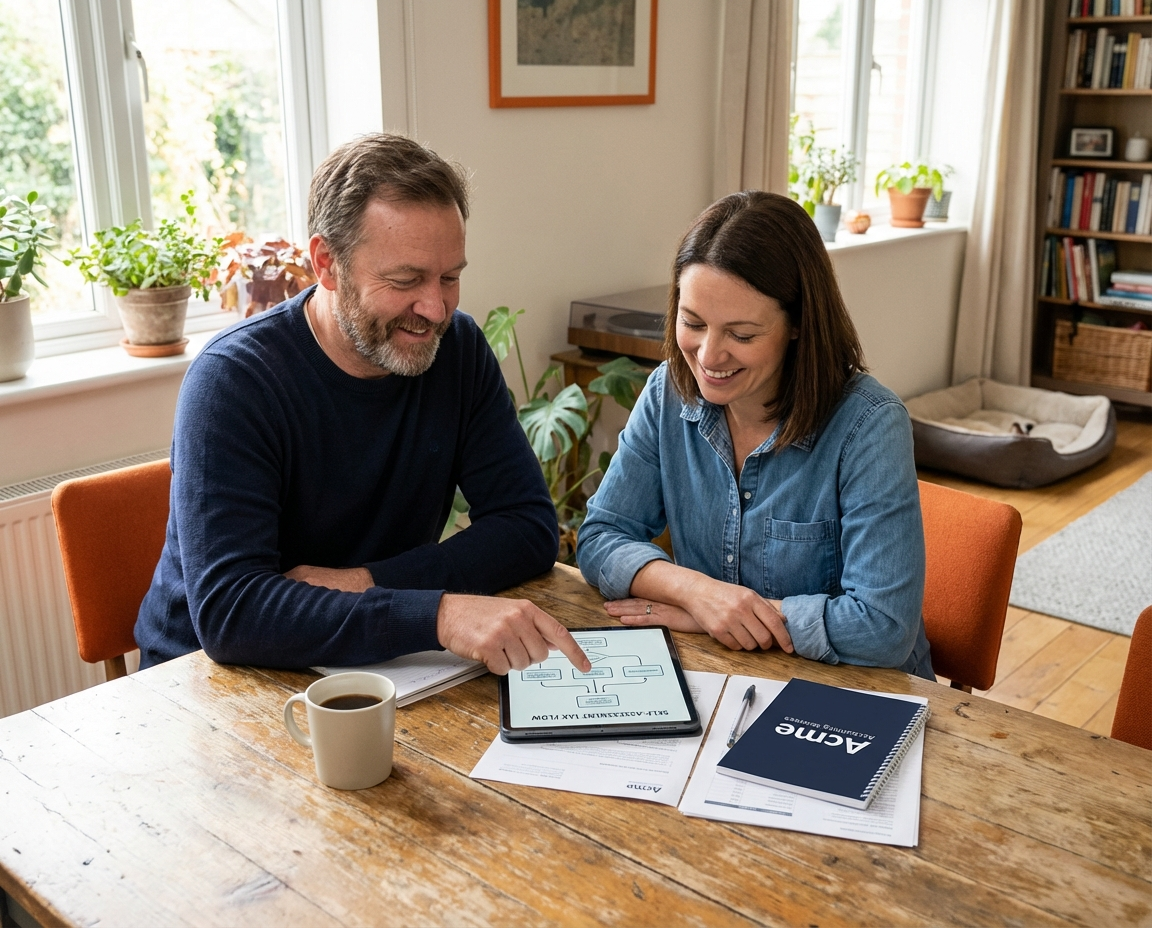
A self assessment tax return is HMRC’s way of collecting tax on income that hasn’t already been taxed before it reached you — and if you’re self-employed, a landlord, or earning money outside of a regular PAYE job, there’s a good chance you need to do one.
What Is Self Assessment and Why Does It Exist?
Most people in the UK pay tax through PAYE — that’s Pay As You Earn. Your employer takes the right amount of tax off your wages before you ever see it, so you never have to think about it. Self assessment exists for everyone else: people whose income isn’t handled that way automatically.
If you run your own business, take on freelance work, earn rent from a property, or have other untaxed income above certain thresholds, HMRC needs you to tell them about it. The self assessment tax return is the form you use to do that — it pulls together your income for the year, works out what tax you owe, and gives HMRC the information they need to settle your bill.
If you’re not sure whether you need to register, HMRC has a checker tool on their website. But if you’re self-employed and you’ve been earning, the answer is almost certainly yes — and the sooner you register, the less stressful the whole thing becomes.
Do You Actually Need to Do a Self Assessment Tax Return?
The honest answer is: probably yes, if you’re reading this. HMRC triggers a requirement for self assessment in a number of situations. The most common ones for small business owners and sole traders in Suffolk are: you’re self-employed and earning more than £1,000 in a tax year, you’re a landlord with rental income, you’re a company director, or you earned more than £100,000 in the year.
There are other triggers too — things like receiving Child Benefit when your household income is over £60,000, or having untaxed income from savings or investments. If you’re a first-time filer, you need to register with HMRC by 5 October after the end of the tax year you’re filing for. Miss that date and you’re already behind before you’ve started.
The Deadlines You Need to Know (and What Happens If You Miss Them)
The online filing deadline for self assessment is 31 January after the end of the tax year. So for the 2024-25 tax year, which ran from April 2024 to April 2025, the deadline to file online was 31 January 2026. Miss that date and HMRC issues a £100 fixed penalty automatically — even if you don’t owe any tax at all.
Tax payments follow the same 31 January deadline, with a second payment on account due on 31 July. Late payment penalties start at 3% after 15 days, another 3% after 30 days, and then 10% per year after that. Those charges stack up quickly, so getting the return done on time matters even if the tax bill itself is manageable. If you want help making sure it’s done right, you can see how I handle self assessment at https://acme-accounting.co.uk/services/self-assessment-tax-return/
What’s Changing: Making Tax Digital for Income Tax
From 6 April 2026, sole traders and landlords with qualifying income over £50,000 are required to use Making Tax Digital for Income Tax — known as MTD for IT. That means keeping digital records and sending quarterly updates to HMRC through approved software like Xero, rather than filing a single annual return. It’s a bigger shift than it sounds if you’re used to doing things on paper or in a spreadsheet.
The rollout is phased. If your income is over £30,000 you’ll join in 2027, and the threshold drops to £20,000 in 2028. For the first year, HMRC won’t issue penalty points for missed quarterly deadlines — but the system is live and the expectations are real. I’m already MTD-compliant and set up on Xero, so if this applies to you, it’s worth getting things in order now rather than scrambling later.
Self assessment doesn’t have to be the thing that keeps you up at night. Once you understand what’s being asked of you and have a system in place, it’s just another part of running your business. If you want to talk it through, just give me a call — I’m happy to point you in the right direction even if you’re not sure you need help yet.
Want to go further?
Whether you want a step-by-step walkthrough or someone to just take it off your plate, here are two good next steps.
Reliable, accurate, and local. Acme Accounting Services provides a full suite of accounting services to small businesses in Ipswich, Suffolk and beyond.
💛 5% of revenue donated to St. Elizabeth’s Hospice, Ipswich.