What Is Bookkeeping, and Why Does Your Business Actually Need It?
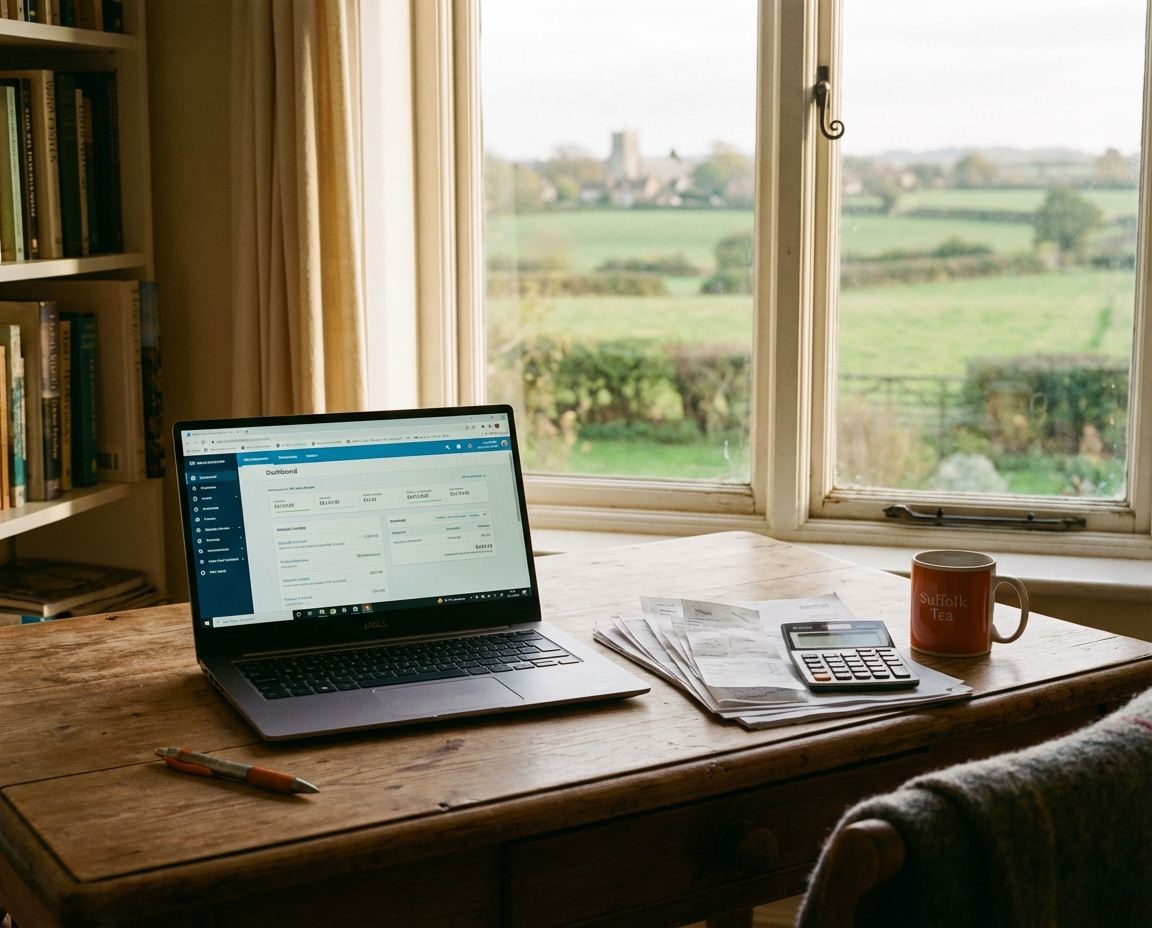
Small business bookkeeping is the process of recording every pound that comes into and goes out of your business, and if you’ve been doing it in a spreadsheet, a shoebox, or not at all, you’re in good company.
What Bookkeeping Actually Means (In Plain English)
Bookkeeping is the day-to-day recording of your business transactions. Every sale you make, every expense you pay, every invoice you send or receive. That’s it. It sounds straightforward, but it’s the foundation everything else sits on.
When your books are up to date, you can see exactly how much money is coming in, what you’re spending it on, and whether your business is actually profitable. Without that picture, you’re making decisions in the dark.
Bookkeeping and accounting are not the same thing. Bookkeeping is the recording of transactions. Accounting is the analysis and reporting of that data. You need the bookkeeping to happen first before any accounting can be done.
What Records HMRC Requires You to Keep
If you’re self-employed, HMRC requires you to keep records of all your business income and expenses. That means receipts, invoices, bank statements, and any other proof of what money moved and why. If you’re VAT registered, you also need to keep detailed VAT records. If you employ anyone, PAYE records are required on top of that.
These aren’t suggestions. HMRC can ask to see your records going back several years, and if you can’t produce them, you’re exposed to penalties. Keeping your books properly isn’t just good practice. It’s a legal requirement.
What Actually Happens If You Let It Slide
The honest answer is that it catches up with you. Miss a VAT deadline and HMRC issues a surcharge. File a self assessment return with inaccurate figures and you risk an inquiry. Apply for a business loan and discover your financials are too messy for a lender to make sense of.
There’s also the slower, quieter cost of not knowing. Not knowing whether you can afford to take on a member of staff. Not knowing how much you can safely pay yourself. Not knowing if a big customer is actually profitable or quietly draining your time and cash. Good bookkeeping answers all of those questions.
When It Makes Sense to Get Help
A lot of small business owners start off doing their own books, and for a while it works fine. But there’s usually a tipping point. Your transaction volume grows, VAT becomes complicated, or you simply run out of hours in the week.
From April 2026, Making Tax Digital for Income Tax also comes into effect for sole traders and landlords with qualifying income over £50,000. That means digital records and quarterly submissions to HMRC using compatible software. If you’re not already set up for that, now is a sensible time to get things in order rather than scrambling later.
If you’ve read this and thought ‘I really need to sort this out’, I’d say trust that instinct. It never gets easier to deal with the further behind you get. I work with small businesses across Suffolk and I’m always happy to have a no-pressure chat about where you’re at. Give me a ring on 07523 817053 or book a free call and we’ll figure out together what needs doing.
Ready to go further?
Whether you want to read more first or just talk to someone who can help, here are two good next steps.
Reliable, accurate, and local. Acme Accounting Services provides a full suite of accounting services to small businesses in Ipswich, Suffolk and beyond.
💛 5% of revenue donated to St. Elizabeth’s Hospice, Ipswich.