The Finances Side of Running a Home Improvement Business Made Simple
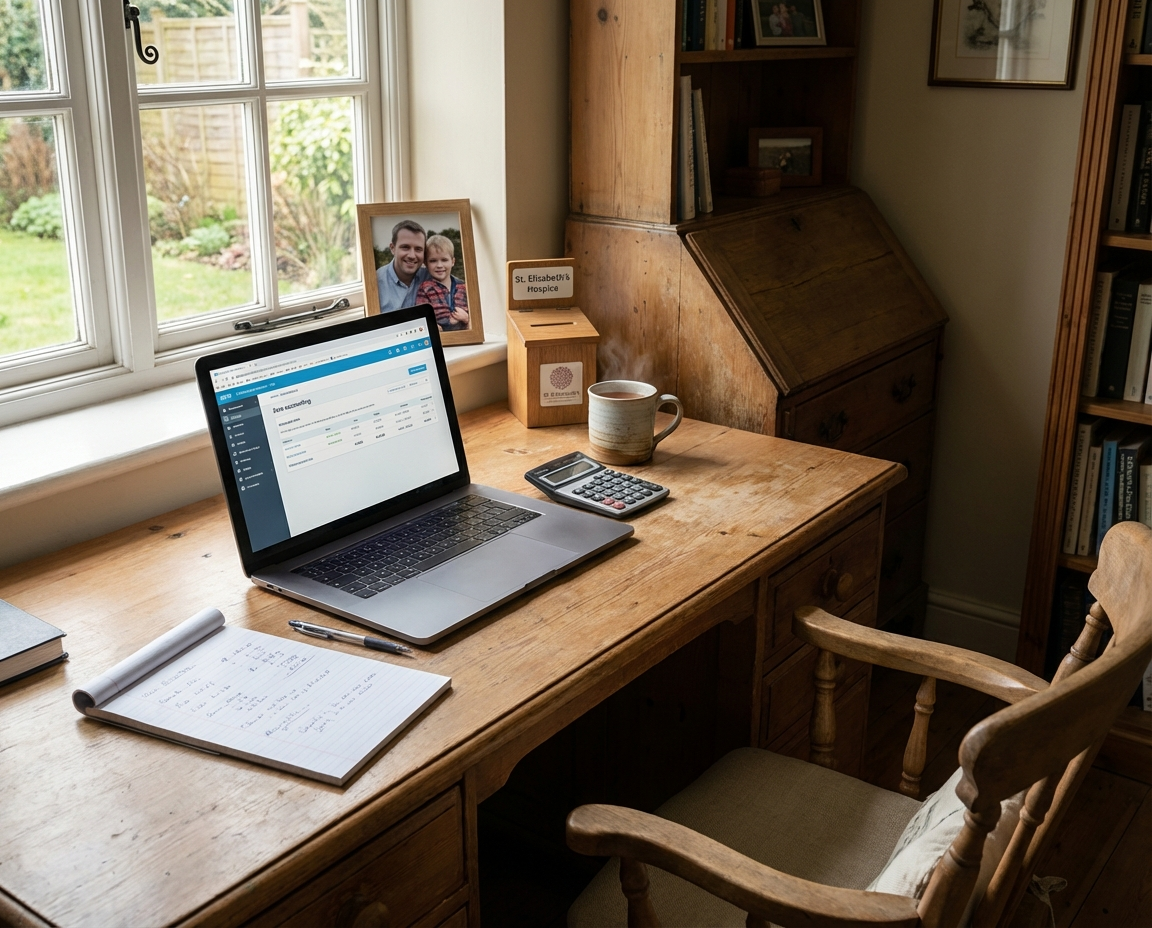
Bookkeeping for home improvement businesses is one of those things that sounds straightforward until you hit your first CIS deduction or miss a VAT deadline — and suddenly it doesn’t feel straightforward at all.
What Bookkeeping Actually Means When You Work in Trades
At its simplest, bookkeeping is just keeping a clear record of what money comes in and what goes out. For a home improvement business, that means tracking your invoices, your materials, your fuel, your tools, and anything else you spend to get the job done. It’s the foundation that everything else, including your tax return and any VAT you owe, sits on.
The reason it matters more in trades than in some other industries is that you often deal with multiple income streams. You might have direct customers, contractors you work under, and jobs where different payment terms apply. If those records aren’t clean, your year-end becomes a nightmare, and HMRC tends not to be sympathetic about that.
Household spending increased by 0.8% annually in 2025, and house prices are forecast to rise 2-4% in 2026. More homeowners spending on their properties means more work for home improvement trades — and more transactions to keep on top of.
CIS: The Bit That Catches Most Home Improvement Contractors Off Guard
CIS stands for the Construction Industry Scheme. If you work as a subcontractor, contractors who pay you are required to deduct either 20% or 30% from your labour payments before they hand the money over, then pass that to HMRC on your behalf. It’s a form of tax paid in advance, and it’s specific to the construction and home improvement trades.
The problem I see most often is that people don’t realise those deductions have been made, or they don’t keep track of them, so at year-end they’ve either paid too much tax without claiming it back or they’ve not verified their subcontractors and ended up liable for a penalty. If you’re a contractor paying subbies, you have a monthly return to file with HMRC. Miss a few of those and the fines stack up quickly.
VAT and Making Tax Digital: What Home Improvement Businesses Need to Know
If your turnover goes above £90,000, you need to register for VAT. Once you’re registered, you’re required to file your VAT returns digitally through software that’s compatible with Making Tax Digital, which is HMRC’s system for digital record-keeping and submission. It sounds more complicated than it is, but you do need the right setup from day one.
From 1 October 2026, certain residential building projects may also be subject to a Building Safety Levy on top of standard building regulations approval. That won’t affect most sole traders doing domestic work, but if you’re working on larger residential projects it’s worth being aware of. VAT-registered businesses in home improvement also need to know about the 5% reduced rate that applies to certain types of renovation and conversion work — it’s a legitimate saving that plenty of people miss.
Keeping Your Records Straight Without It Taking Over Your Life
Most home improvement business owners aren’t short on skills. What they’re short on is time and the patience to sit down with a spreadsheet at 9pm after a full day on site. The practical answer is to use cloud accounting software, I use Xero with all my clients, so that your receipts and invoices go in as they happen rather than in a panicked pile at year-end.
If you have employees or pay subcontractors, you’ll also need payroll sorted. That means real-time submissions to HMRC every time you run a payroll, not just at year-end. Self assessment sits on top of all of this if you’re a sole trader or company director, and it uses the records you’ve kept throughout the year to work out what you owe. Clean records make that process quick. Messy ones make it expensive.
Running a home improvement business is hard enough without the finances adding to your stress. If any of this has raised questions, or if you’re not sure whether your current setup is working for you, just give me a ring on 07523 817053. I’m happy to talk it through, no pressure.
Want to go further?
Here are two places to go next, depending on where you are right now.
Reliable, accurate, and local. Acme Accounting Services provides a full suite of accounting services to small businesses in Ipswich, Suffolk and beyond.
💛 5% of revenue donated to St. Elizabeth’s Hospice, Ipswich.