What Does a Bookkeeper Actually Do for Your Business?
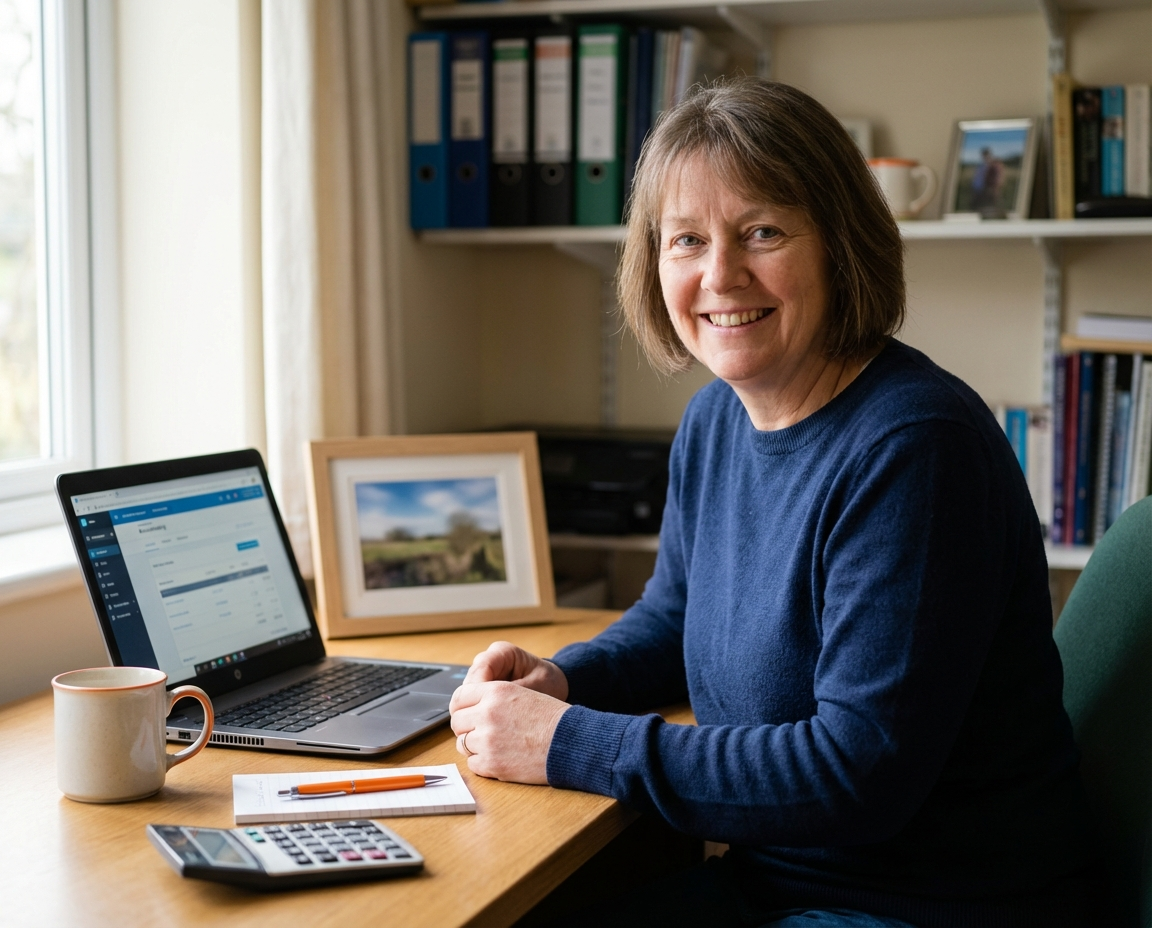
What does a bookkeeper do, exactly? It’s a question I get asked a lot, and honestly, it’s a fair one, because the job title doesn’t tell you much on its own.
What Bookkeeping Actually Means Day to Day
Bookkeeping is the process of recording every financial transaction your business makes. Money in, money out, invoices sent, bills paid. It sounds simple, but when you’re running a business, it builds up fast.
A bookkeeper keeps those records accurate and organised throughout the year, not just at the end of it. That means your accounts reflect what’s actually happening in your business, rather than a frantic catch-up job every January. For most small business owners I work with, that alone is worth the monthly cost.
HMRC requires you to keep business financial records for at least six years. A bookkeeper makes sure those records exist, are accurate, and are stored properly so you’re covered if HMRC ever asks questions.
What a Bookkeeper Handles for You
The core work is recording transactions, reconciling your bank account (checking your records match your bank statements), and keeping everything categorised correctly. Beyond that, a bookkeeper will often handle VAT returns, payroll, and for anyone in construction, CIS returns too.
I also set clients up on Xero, which is cloud accounting software that connects to your bank and makes the whole process much more straightforward. If you’re VAT-registered, Making Tax Digital, or MTD, means you’re legally required to keep digital records and file through approved software. Xero handles that automatically. If you want to see the full list of what I cover for Ipswich businesses, you can read more on my bookkeeper in Ipswich page at https://acme-accounting.co.uk/locations/bookkeeper-in-ipswich/.
Is a Bookkeeper the Same as an Accountant?
No, and it matters to know the difference. A bookkeeper keeps your records accurate and up to date throughout the year. An accountant typically uses those records to prepare your annual accounts, advise on tax strategy, and handle more complex financial decisions.
Think of it this way: a bookkeeper does the ongoing groundwork so your accountant has something clean and accurate to work with. Some clients come to me alongside an existing accountant. Others use me for everything from daily bookkeeping through to self-assessment returns. It depends on what you need.
Do You Actually Need a Bookkeeper?
If you’re spending evenings reconciling spreadsheets, missing VAT deadlines, or genuinely unsure whether your business is profitable, then yes, you probably do. Bookkeeping errors can cost you money directly through late filing penalties, missed expenses you could have claimed, and VAT mistakes that HMRC takes seriously.
My pricing starts from £25 per month, so for most sole traders and small businesses, it costs less than you’d expect. And because I work on fixed monthly pricing, there are no surprise bills. You know exactly what you’re paying before we start.
If you’re not sure whether you need a bookkeeper, or you just want to talk through where your accounts are right now, feel free to book a free call. I don’t bite, and I’ve seen messier books than yours, I promise.
Want to go further?
If this article answered your first question but you’ve got more, here are two useful next steps.
Reliable, accurate, and local. Acme Accounting Services provides a full suite of accounting services to small businesses in Ipswich, Suffolk and beyond.
💛 5% of revenue donated to St. Elizabeth’s Hospice, Ipswich.